
Vibration damping is a term used in ergonomic, industrial, and electronic applications where there is a need to lower the amount of energy a system produces. Once vibration has been damped, energy is transferred to appropriate channels and a reduction in noise propagation occurs.
There are myriad reasons why vibration may be undesirable. It may manifest as a simple annoyance or present a potentially catastrophic environmental factor.
Vibration Damping from Technicon Acoustics

Ready to Get Started?
Talk to an Expert| Product Line | Damping Mechanism | Base Material | Adhesive Backing | Typical Applications |
|---|---|---|---|---|
| DM-200 / DM-400 | Free-Layer (Extensional) | Extruded Viscoelastic PVC | High-Tack Acrylic PSA | Sheet metal enclosures, HVAC panels, fluid pumps |
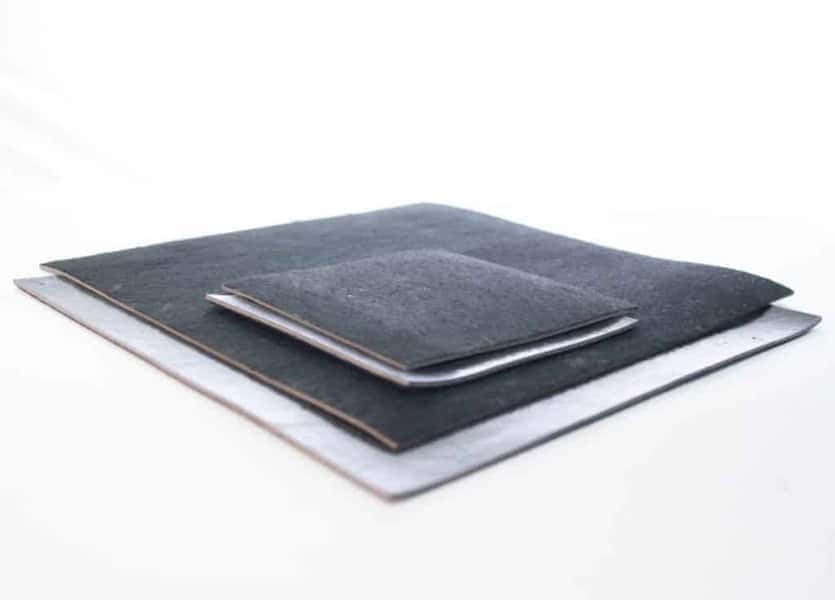
| DP-100 | Constrained Layer (CLD) | Aluminum Restraining Foil + Viscoelastic Core | Pressure-Sensitive Adhesive | Generator housing panels, compressor cabinets |
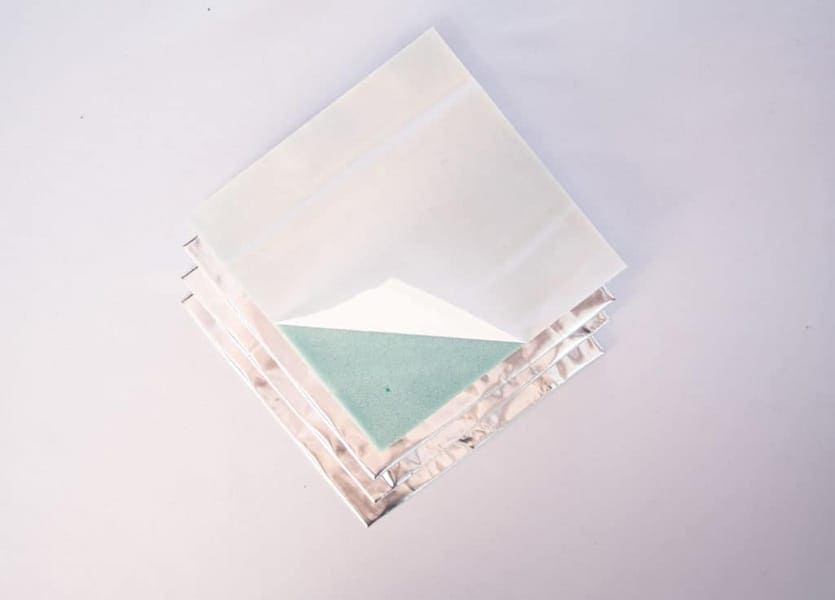
| Tech Damp™ FD-100 | Composite Damping & Absorber | Damping Sheet + Acoustic Foam/Fiber | Supported Acrylic PSA | Specialty vehicle cabs, marine bulkheads, engine compartments |
Types of Damping Materials
At Technicon Acoustics, we rely on several different damping materials to ensure our products stop vibration before it becomes a problem. Determining which material is suitable for vibration damping is determined by the specifics of their intended application. Some of the most common vibration damping materials include:
- Rubber
- Polyurethane
- PVC
- Our Products
Let Us Help On Your Next Project!
Rubber is an effective material for vibration isolation and shock absorption. Rather than damping sheet metal resonance on its own, elastomeric rubber acts as a mechanical decoupler—absorbing kinetic energy from rotating components and releasing it as low-grade thermal energy before it can transmit into adjacent panels. When integrated into multi-layer composites alongside viscoelastic barriers or foam absorbers, molded or extruded rubber components prevent structure-borne flanking paths and isolate mechanical shock across harsh operating environments.
Engineered microcellular and solid polyurethanes provide exceptional energy dissipation through internal viscoelastic hysteresis. Unlike standard open-cell acoustic foams that primarily treat airborne sound, specialized polyurethane damping formulations absorb dynamic impact and decouple vibrating components. Technicon customizes polyurethane densities, cell morphologies, and thicknesses to target specific natural frequencies, ensuring long-lasting vibration attenuation without taking a permanent compression set in demanding cyclic environments.
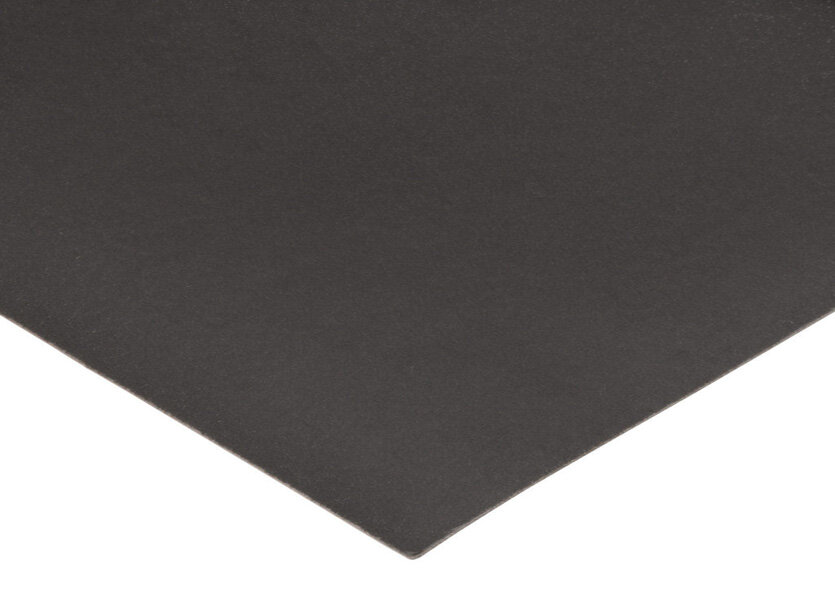
Flexible, high-density polyvinyl chloride (PVC) sheets—such as Technicon’s DM-200 and DM-400 lines—deliver high extensional damping across thin-to-medium gauge sheet metal and composite panels. Viscoelastic PVC shifts resonant structural frequencies and converts mechanical bending stress directly into low-grade heat. In addition to high mechanical loss factors, our PVC formulations offer broad chemical resistance against fuels, hydraulic fluids, industrial oils, and environmental ozone, making them the standard choice for harsh generator housings, fluid pump bases, and vehicle enclosures.
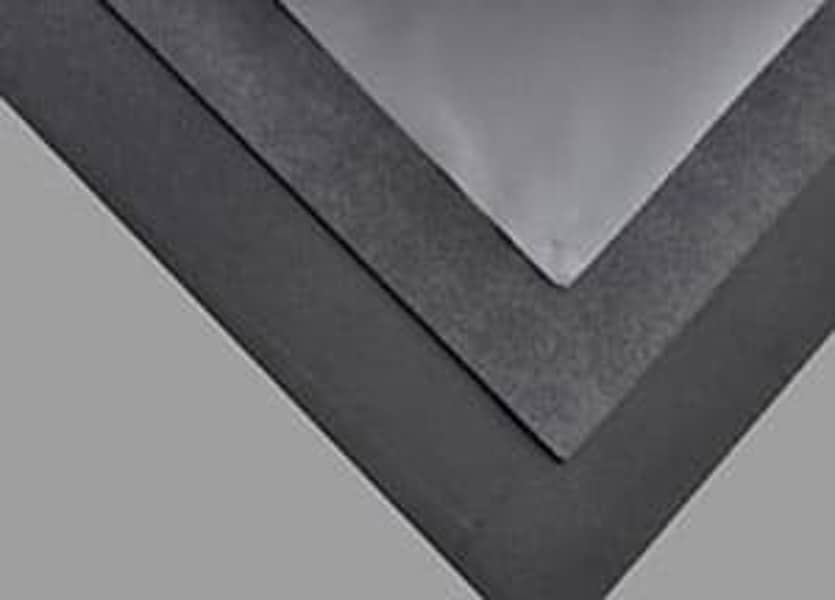
We offer our clients a range of acoustic and vibration damping products, such as:
- PVC Damping Sheets with PSA – DM-200
- PVC Damping Sheets with PSA – DM-400
- Constrained Layer Damping Material – DP-100
- Tech Damp™
- Vibration Damping FD-100
Let Us Help On Your Next Project!
Leaders in Acoustic Material Manufacturing
Technicon Acoustics has operated as an industry leader in sound and vibration damping technology for many years. Our specialized line of sound and vibration damping products play an integral role in several key industries, including:

POWER GENERATION
We frequently customize professional noise control solutions for clients who manufacture portable and standby power generation equipment.

AUTOMOTIVE, HEAVY EQUIPMENT, AGRICULTURAL EQUIPMENT
We assist truck, bus, and specialty vehicle OEMs with sound and vibration control in their products.

MEDICAL
We assist OEMs in the medical equipment industry with sound and vibration control, ensuring optimal equipment function and patient comfort.
No matter your application, reduced vibration and noise improve the customer experience. That means improved quality perception and product acceptance rates.
Let Our Experts Help You Develop Your Noise Reduction Solution
At Technicon Acoustics, our team of qualified experts is prepared to help you take on any project. Whether you need help with material selection or you’re looking for advice on our products, we’ve got the answers you need to select the solution that’s best for you.
Vibration damping can play a critical role in improving your brand’s impression on customers. It may even increase your organization’s profitability.